

By Peter Crowe and Nick Lamparelli
Fall 2025
In May, the Ohio Association of Mutual Insurance Companies hosted its annual convention in Columbus, Ohio. Demotech CEO, Joseph Petrelli, sat on a panel with us as we discussed and highlighted key approaches to managing aggregate exposure and concentration risk, ensuring carriers remain resilient amid what appears to be increasingly unpredictable events.
Why Are We Constantly Surprised?
One of the recurring themes we attempted to highlight in our panel presentation was the industry’s persistent surprise at natural disasters — events that, in hindsight, were foreseeable. From the late-season Michigan ice storms to wildfires in historically unlikely areas and flooding in mountainous regions, insurers have repeatedly underestimated the risks posed by low-frequency, high-severity events. Hurricane Helene, which caused catastrophic flooding in Appalachia, serves as a stark reminder that coverage exclusions do not eliminate risk — they merely shift the financial burden.
This lack of preparedness stems from limited historical data, which provides an incomplete picture of potential risks. As Joseph Petrelli noted, reinsurers and rating agencies now expect carriers to take a more proactive approach to risk management, one that goes beyond replicating industry norms. Instead, carriers must develop tailored strategies that align with their unique risk profiles and reward structures.
The Ohio Surprise: A Wake-Up Call for Regional Carriers
Ohio, often considered immune to major natural disasters, has experienced its own share of surprises. Hurricanes (Ike), tornadoes, hailstorms, and even earthquakes have impacted the state in recent years. The Federal Emergency Management Agency flood risk map reveals that much of Ohio exists in flood zones, raising questions about preparedness in the face of extreme rainfall events. Additionally, wildfires and hurricanes, though rare, are not impossible.
These “Ohio surprises” highlight the importance of concentration management. Carriers with a heavy presence in specific regions are at greater risk of catastrophic losses when unexpected events occur. To mitigate this, insurers must leverage advanced geospatial tools to map, score, and rank concentration risk, identifying areas where exposure is disproportionately high.
Modern Risk Management Techniques
The convention emphasized a multi-pronged approach to risk management, combining concentration mapping, exposure aggregation, and catastrophe modeling. Each technique offers unique advantages and limitations, making it essential for carriers to adopt a comprehensive strategy.
- Concentration Mapping: Concentration mapping is a straightforward method that identifies geographic clusters of risk. While it does not measure financial impact, it is easy to implement and provides valuable insights into areas of potential vulnerability. For example, mapping policies in flood-prone regions can help carriers understand their exposure to water-related losses.
- Exposure Aggregation: Exposure aggregation quantifies the financial impact of all liabilities, both gross and net. This conservative approach reveals concentration risk and provides a clear picture of potential losses. However, it often overestimates financial impact and does not account for non-modeled risks, such as loss adjustment expenses associated with excluded perils.
- Catastrophe Modeling: Catastrophe models simulate losses from specific perils, such as hurricanes or wildfires, providing the most sophisticated analysis of potential risks. Despite their accuracy, these models only measure losses for modeled perils, leaving gaps in coverage for excluded risks. As seen with Hurricane Helene, non-modeled risks can have devastating financial consequences. Some insurers saw seven figure loss adjustment payouts even though the peril of flood was excluded.
Reinsurers and Rating Agencies Demand Accountability
Reinsurers and rating agencies are increasingly scrutinizing carriers’ risk management practices. As Joseph Petrelli explained, these stakeholders expect carriers to own their risk management and reinsurance programs, demonstrating thoughtfulness and accountability. A one-size-fits-all approach is no longer sufficient; carriers must develop strategies that reflect their unique risk/reward profiles.
This shift in expectations has significant implications for carriers. Those that fail to adopt proactive risk management practices risk losing the confidence of reinsurers and rating agencies, potentially jeopardizing their financial stability. Conversely, carriers that adopt modern techniques can position themselves as prudent leaders, capable of navigating an increasingly complex and volatile landscape.
The Path Forward: Building Resilience
By leveraging advanced technologies and adopting comprehensive risk management strategies, carriers can mitigate the impact of natural disasters and safeguard their financial stability. Key steps include:
- Investing in Geospatial Tools: Use mapping technologies to identify and rank concentration risks.
- Quantifying Aggregate Exposure: Implement exposure aggregation techniques to measure the financial impact of liabilities.
- Utilizing Catastrophe Models: Simulate losses from modeled perils to prepare for worst-case scenarios.
- Developing Tailored Strategies: Align risk management practices with the carrier’s unique risk/reward profile.
The once or twice a year modeling or aggregation exercise is no longer adequate. Carriers, especially locally domiciled and concentrated mutual insurers, need to either bring these resources and technologies in house or partner with a firm who can execute and stay on top of these critical risk management exercises.
Conclusion: Embracing a New Era of Prudent Risk Management
The landscape of natural disasters is evolving, and with it, the responsibilities of insurance carriers. The “Ohio surprises” and the devastating impact of events like Hurricane Helene underscore a critical truth: traditional, reactive risk management is no longer sufficient. Reinsurers and rating agencies are demanding a more sophisticated, proactive, and accountable approach. By embracing modern techniques such as concentration mapping, exposure aggregation, and advanced catastrophe modeling, carriers can move beyond mere compliance to truly own their risk and match that risk to the business objectives of the company. This involves not just understanding potential losses, but also developing tailored strategies that align with their unique risk profiles. Today’s insurance landscape demands continuous monitoring, strategic partnerships, and a deep commitment to thoughtful catastrophe management programs, ensuring financial stability and preparedness in an increasingly unpredictable world.
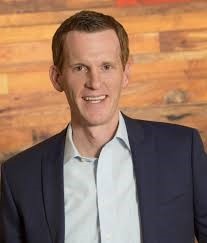
Peter Crowe began his career in technology consulting, in many cities and a few countries, doing system implementations, upgrades and conversions. A tech project he worked on led to an opportunity at RE/MAX, a real estate franchise company. Crowe joined RE/MAX in 2013 and while there, served in various capacities including senior vice president of marketing, communications and investor relations and executive vice president of Business and Product Strategy.
While looking for strategic opportunities for RE/MAX, Crowe found We Insure, an independent insurance agency network. In 2019, he joined We Insure as chief revenue officer. In this role, Crowe led the expansion of We Insure into 25 new states, growing the agency footprint from 90 to 190 offices in just over two years and supported the founder in a successful exit.
In 2022, Crowe took on the role of president of Team Focus Insurance Group. As president, he has been excited to get back to his tech roots and expand one of the insurance industry’s best core platforms and BPO service organizations. Crowe holds a Bachelor of Business Administration from Indiana University and an MBA from the University of Denver, Daniels College of Business.
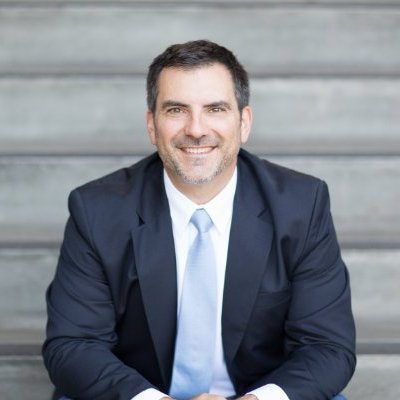
Nick Lamparelli is a 30 year insurance veteran, having been in agency, brokerage, and wholesale roles. For the prior 15 years, Lamparelli has been focused on catastrophe analytics, having worked for modeling firm AIR Worldwide (now Verisk), Marsh McLennan as VP of CAT strategy, and QBE as VP of catastrophe modeling. In 2007, Lamparelli co-founded reThought Insurance and became the CUO. reThought is an Insurtech flood MGA using hazard and catastrophe models to execute its underwriting strategy.
Currently, Lamparelli is the managing partner for Insurance Nerds, a marketing agency helping B2B insurtechs market and sell in the insurance ecosystem. He is also the CEO of The Insurance Advocacy Forum of Florida, which promotes and advocates for sound regulations to stabilize and strengthen the Florida insurance marketplace.
###
About FOCUS
FOCUS is an insurance BPO company that provides cloud-based, core administration solutions for P&C insurance companies and MGAs. FOCUS applies decades of insurance experience to developing insurance outsourcing solutions that complement the company’s extensible InFOCUS Platform, including self-service digital portals, configuration tools, and real-time risk management functionality while the FOCUS Insurance Services’ teams deploy policy, billing, and claims solutions with intuitive automation of workflows and artificial intelligence (AI) applications via state-of-the-art cloud technologies and robust APIs. Through proven technology and quality services, FOCUS is taking the risk out of insurtech for small, mid-size, and growth-focused insurance organizations.
Media Contact:
Kim Tambo
Senior Manager, Product Marketing
Focus Insurance Services
Kim.Tambo@teamfocusins.com
http://www.teamfocusins.com