
Why one year of capacity is too short: TJ Olonilua of Accelerant
Accelerant commits five years of renewable capacity to the specialty MGAs it backs. In the Policy Makers Studio at ITC Vegas 2026, TJ Olonilua tells FOCUS President Pete Crowe why, and how MGAs should decide what to build and what to buy now that AI tools can prototype in days.

The episode at a glance
- 0:20What a risk exchange does for specialty MGAs
- 0:48Five-year capacity vs. the one-year market
- 1:21Why one year is too short to judge a program
- 2:02Coaching new MGAs on what to build and buy
- 2:54Seeing Accelerant from the MGA side
- 4:13MGA cohorts and AI office hours
- 5:17Who owns the vendor relationship?
- 6:14Build vs. buy after this year's AI releases
- 8:03Turning vibe-coded tools into real systems
- 8:58AI governance and the NAIC model regulation
- 9:43What jobs will AI create in insurance?
- 11:01Who is actually at risk from AI
Three answers from the episode
What is a risk exchange, and how is Accelerant's capacity different?
Accelerant connects specialty MGAs with a risk capital panel of reinsurers, ILS vehicles and reciprocal insurers. Once an MGA clears due diligence, it gets a five-year capacity commitment that renews every year, where the market typically offers one year at a time.
Should an MGA build or buy its technology now that AI tools are here?
TJ's view: get trained enough to prototype, then let prototyping show you what is worth building and sharpen what you buy. A policy admin system built from scratch is rarely worth the burden of keeping it scalable, secure and auditable.
Which insurance jobs are at risk from AI?
“I think the only people at risk are the people who resist AI.” Business teams can now build their own solutions without a long translation layer to tech teams, and professional services workers will need AI to keep up with their peers.
One year is really a little too short to make those calls.TJ Olonilua · Accelerant

Download TJ's feature: Give the program time
Six pages on five-year capacity, what Members gain from a network of peers, and how to think about build vs. buy. TJ's feature opens the Studio Edition, the new volume of the 2026 Policy Makers Annual Report built from the Meet the Policy Makers interviews.
Get the feature
Your download link appears here as soon as you submit. We'll also email you every published feature and the full report.
TJ's feature is ready
Check your inbox for every published feature and the full report.
Download the feature (PDF)Read the interview
Edited for length and clarity.
Show the full conversation
Pete Crowe: TJ, good to see you again. Let's start with Accelerant: where you started and what you're focused on right now as a business.
TJ Olonilua: Accelerant is a risk exchange. We connect specialty MGAs and specialty underwriters with capacity in a different way. We built a risk capital panel of reinsurers, ILS vehicles and reciprocal insurers to deliver something MGAs don't get often, which is long-term capacity.
Pete Crowe: What does that look like compared to what else is out there?
TJ Olonilua: Because we have all these sources of capital, we can commit five years of capacity to an MGA once they're through our due diligence process. The market is typically one year, renewable, and every October you're fighting that battle for capacity again. We do five years, and it renews every year, so every year you get an extension to five years.
Pete Crowe: How does that change the mindset for the MGAs coming in to work with you?
TJ Olonilua: We understand that an MGA building a new program takes time. Systems need to be set up properly. They need to get a new product in front of distribution. They might have a bad year because of things outside their control that can be corrected over time to improve loss ratios. One year is really a little too short to make those calls. Give MGAs the confidence, the backing and the ecosystem to grow, and the time to do it.
Pete Crowe: You ran operations at an MGA before this. How do you coach new MGAs on what to build and what to buy?
TJ Olonilua: It depends on their starting point. Some MGAs come in founder-led and tech-led, and they've already built the agentic version of an MGA. We have a few of those now. We think AI is coming, and it's going to disrupt the incumbents, and to some degree it already is, mostly through the ability to quote quickly and respond to brokers quickly.
Pete Crowe: At Breach, you had a program with Accelerant, so you've seen it from both sides. What did you expect then, and what do you see as the real value now?
TJ Olonilua: As a venture-backed MGA, I don't think we expected much beyond capacity. We were writing crypto, so capacity was hard to find. We just wanted the paper. Accelerant exceeds expectations for MGAs like that, because a lot of the value is in everything else. You get long-term capacity, which can't be overstated, and you get a fleet of other MGAs you can compare notes with. In my prior life you could feel like you were on an island, trying to figure it out without knowing whether you were doing it right.
Pete Crowe: Is some of that almost like a cohort?
TJ Olonilua: There are various things we do with MGA cohorts, and some want to participate more than others. Right now we're running an intensive AI office hours program across our membership, two calls a week, and they're highly attended. Day one, you'd never logged into Claude. Week 12, you're building tools. We bring everyone together to share what we're learning. A lot of the Accelerant Marketplace is cohort-developed: someone tells us a tool was great for them because they want everyone else to know, so we bring it to the Marketplace. And people tell us when something isn't working, too.
Pete Crowe: You bring MGAs and vendor partners together. Who owns that relationship at the end of the day?
TJ Olonilua: We see across more than 300 MGAs what's working where, so we can say, this is working well for these people, you should all be thinking about it. With vendors, it's about being a resource. We feel responsible for having the right vendors in the ecosystem and for being there for our MGAs.
Pete Crowe: Let's talk build vs. buy. With everything released this year, it changes everybody's thinking. What trends are you seeing?
TJ Olonilua: It's the million-dollar question right now. Our position is to get trained enough that you feel comfortable prototyping and building, if that makes sense for your business. It's a flywheel: you do that, and you learn what's worth building at the same time. Not everything is worth recreating. If something in the vendor market costs more than you think the value is worth, you can quickly prototype your own solution and see if it works. Then you might find out it's never worth building a policy admin from scratch, or anything someone else can do far better than you. There's a burden to maintaining whatever you build. You need the right engineering staff to make it scalable, secure and auditable. So there's more opportunity to build, but mostly you can refine your thesis about what you need to buy.
There's also a new space emerging. In three to five years, everyone will be able to vibe-code something. I'm seeing people who focus on taking what you vibe-coded and turning it into something real: go ahead and let your employees build, and we'll come in and do the production-ready back-end work.
Pete Crowe: How do you keep that governed, so there aren't a million agents out there doing who knows what?
TJ Olonilua: It's critical, even at the foundation of getting into vibe coding. You have to understand where your data could leak and where employees could do things you don't want them to do, especially in anything internet-facing. MGAs are taking governance seriously. The NAIC is building a model regulation for AI. If your AI has somehow been discriminating against certain groups, you need to know why that happened.
Pete Crowe: Last question. Everybody talks about AI taking jobs. What jobs do you think it's going to create?
TJ Olonilua: I'm very much on the AI-is-good side. It's easy to be fearful of it, and a lot of the public messaging makes people fearful, but I think it creates a lot of opportunity. Historically, organizations had business people, tech people, and a translation layer between them, and products took time because of all that translation. Now, with these tools, business people can create their own solutions and move a lot quicker. I think the only people at risk are the people who resist AI. That's my honest opinion.
But for the everyday worker in professional services, in the kind of space we're in, I do think you have to use AI to keep up with your peers.
Pete Crowe: TJ, that was great. Thanks for doing it.
TJ Olonilua: Thanks for having me.
The operation behind your program, at every stage
TJ's advice on build vs. buy applies to operations too: some work is worth owning, and some is better run by a team that has done it 30+ times. FOCUS is the operations partner for MGAs and carriers, with U.S.-based, licensed insurance professionals and AI built into the work.
The operational foundation for a new MGA, carrier, or program that needs to run with excellence on day one, stood up in 30 to 60 days.
Explore Launch →For established operations entering new states or lines, or absorbing 2 to 3 times the volume, while strengthening the service experience.
Explore Grow →Enterprise-grade operations, fully managed: a strategic operating partner with shared KPIs and executive-level reporting.
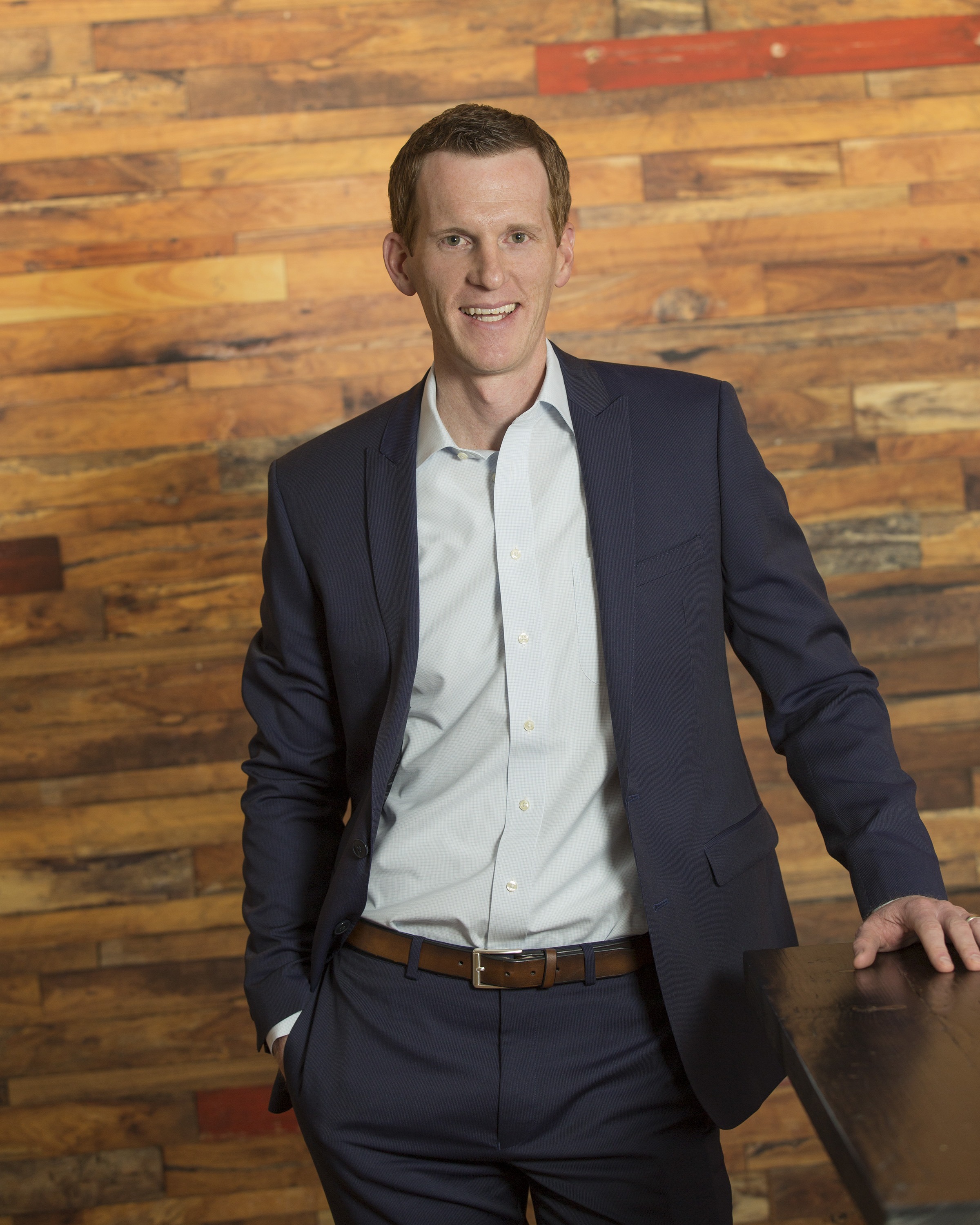
Explore Scale →TJ Olonilua
TJ builds the partner ecosystem that Accelerant's 314+ MGA Members can use through the Accelerant Marketplace. He previously ran operations at an MGA and built new programs at Liberty Mutual. LinkedIn · accelerant.ai
Pete Crowe
Pete leads FOCUS, an AI-enabled insurance operations partner for MGAs and P&C carriers, with 25+ years running insurance operations and 30+ carrier, MGA, and service center launches. LinkedIn